
This stock gets a 94 out of 100 (From Stansberry Research)
In Brief
- Artificial intelligence development creates a structural shift in energy markets as data centers seek reliable baseload power sources.
- Institutional capital is flowing into uranium producers that leverage spot market pricing to capitalize on the widening supply deficit.
- Major technology corporations are establishing strategic partnerships with advanced nuclear developers to build dedicated power campuses.
Artificial Intelligence (AI) has hit a physical wall. For the last decade, the primary constraint on technology growth was computing power, or how many chips a company could buy. In 2026, the bottleneck has shifted to energy. The data centers used to train massive AI models require reliable, 24/7 electricity, known in the industry as baseload power.
The problem for tech giants like Meta (NASDAQ: META), Microsoft (NASDAQ: MSFT), and Amazon (NASDAQ: AMZN) is that renewable energy sources like wind and solar cannot provide this reliability on their own. These renewable sources are weather-dependent, and a data center cannot shut down because the wind stops blowing or the sun goes down. Batteries can help, but they are currently too expensive to support gigawatt-scale operations for extended periods.
This physical reality has forced a massive shift in capital markets. Silicon Valley is no longer just discussing nuclear energy; it is actively investing in it. Over the last week, we have seen unusual options activity in uranium miners and billion-dollar partnership announcements from tech giants. The message from the market is clear: the technology sector is prepared to spend heavily to secure its energy future.
For investors, this creates two distinct investment lanes because two distinct needs must be addressed: the immediate requirement for fuel to power both existing reactors and those soon to be operational, and the long-term need to construct new infrastructure. The capital is flowing into both.
5 Stocks Under $5 (Ad)
5 Best Cheap Stocks Under $5!
Ready to discover hidden gems in the stock market? 📈 Download our free report featuring 5 top stocks trading under $5 with massive growth potential.
Perfect for value-driven investors looking to uncover low-priced winners. Don’t miss out!
Chasing the Spot Price: Uranium Energy Corp’s Advantage
The most immediate signal of institutional interest appeared on Jan. 9, 2026. Trading data showed a significant spike in activity for Uranium Energy Corp. (NYSEAMERICAN: UEC). Traders purchased approximately 35,884 call options in a single session, a volume 35% higher than the daily average.
In the stock market, heavy call buying often signals that smart money, institutional investors or hedge funds are positioning for a stock price to rise in the near term. Why are they targeting UEC? The answer lies in the company's unique business model and the current state of the uranium market.
Most uranium producers act like conservative utilities. They sign long-term contracts with buyers at fixed prices. This provides safety, but it limits profits if the cost of uranium skyrockets.
UEC operates differently. It remains 100% unhedged, meaning it sells its production at the current market price. With the spot price of uranium holding above $81 per pound in early 2026, UEC’s inventory has become significantly more valuable.
Operational Catalyst: The Hub-and-Spoke Model
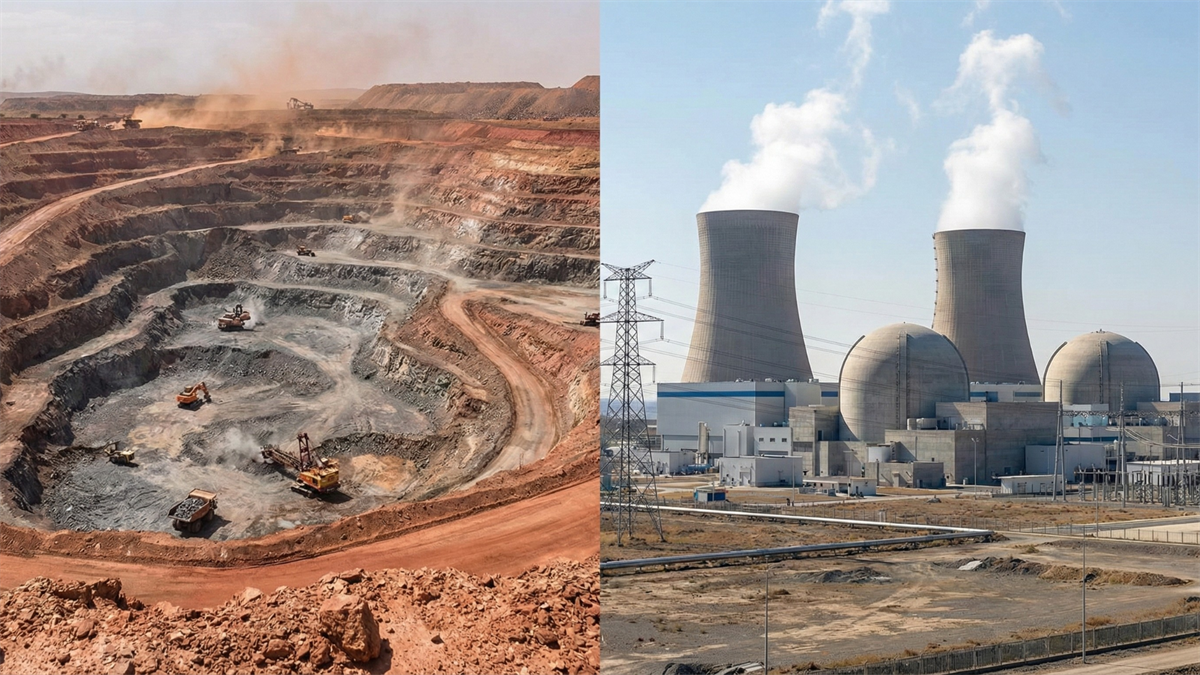
UEC is ramping up production as it sells through its current inventory. The company utilizes a Hub-and-Spoke strategy in Wyoming. This allows it to process uranium from multiple mining sites (spokes) at a central processing plant (the hub).
- Christensen Ranch: This facility successfully restarted in August 2024 and is now delivering drummed uranium.
- Sweetwater: The recent acquisition of Rio Tinto’s Sweetwater assets has further consolidated UEC's dominance in the region. These assets have been integrated throughout 2025, creating the largest dual-feed uranium facility in the United States.
For investors, UEC represents a leveraged bet on the price of uranium. If data centers need power immediately, utilities must buy fuel immediately. This dynamic directly benefits UEC’s unhedged strategy.
Oklo and NuScale: Building the AI Grid
While UEC focuses on the fuel, other companies are competing to develop the power sources themselves. This area, often called Advanced Nuclear or Small Modular Reactors (SMRs), has long been viewed with skepticism, with the associated stocks considered speculative due to their experimental nature. However, the perception of this sector shifted significantly on Jan. 9.
Oklo Inc. (NYSE: OKLO), the advanced nuclear company backed by Sam Altman, announced a partnership with Meta Platforms (Facebook). The deal involves developing a massive 1.2 gigawatt (GW) nuclear power campus.
Why This Matters:
This is not a government grant or a research project. A trillion-dollar tech giant is investing capital to ensure the project is built. The agreement includes prepayment structures that help fund the construction. This effectively de-risks the project for Oklo shareholders, as it proves a paying customer is waiting at the end of the line.
The Sympathy Rally for NuScale
This news triggered a rally for NuScale Power (NYSE: SMR). NuScale did not sign the Meta deal, but the market views the agreement as proof that the SMR business model is viable. Currently trading around the $20 range, Bank of America recently upgraded NuScale to a Neutral rating with a $28 price target, citing the undeniable demand from data centers.
Investors should note the difference in risk profiles here. Unlike the miners, these companies are building future infrastructure.
Their stock prices are more volatile because their success depends on regulatory approvals from the Nuclear Regulatory Commission (NRC) and on construction timelines that extend into the later part of the decade.
Forget AI, This Will Be the Next Big Tech Breakthrough (Ad)
After picking Nvidia in 2016, before it jumped 27,000%...
Jeff Brown is back with what he believes will be the biggest paradigm shift ever.
Yes, even bigger than AI. And he found one Seattle company that's at the center of this new $100 trillion revolution.
Click here to get the name of this company, completely free of charge...
Dividends and Defense: The Case for Cameco
Not every investor wants the high volatility of a developer like Oklo or the commodity exposure of UEC.
For those seeking stability, Cameco Corporation (NYSE: CCJ) remains the sector's blue-chip anchor.
Cameco is the world’s largest publicly traded uranium company. Instead of relying solely on the spot market, Cameco focuses on predictability.
It signs long-term contracts with utilities, ensuring steady revenue for years to come.
This allows it to return cash to shareholders.
In late 2025, Cameco raised its annual dividend to 24 cents per share, driven by strong cash flows from its mining operations and its 49% stake in Westinghouse.
Geopolitics and Supply Chains
Cameco also benefits from the current geopolitical climate. The U.S. ban on Russian uranium imports has compelled Western utilities to seek safe and reliable suppliers.
Russia previously controlled a significant portion of global enrichment capacity. As that supply is cut off from the West, utilities are rushing to sign contracts with stable, North American-aligned producers.
As a Canadian giant with massive, high-grade reserves at McArthur River and Cigar Lake, Cameco is the default choice for risk-averse utilities. This provides a floor for Cameco’s stock price, making it a defensive play in an aggressive sector.
A Tale of Two Timelines: Fuel or Infrastructure?
The Nuclear Renaissance has evolved from a catchy slogan into a challenging phase of capital deployment. The energy constraints of the AI era have made uranium one of the few commodities with a guaranteed demand growth curve for the next decade.
Investors now have a choice to make based on their risk tolerance and timeline.
- The Now Trade: UEC offers immediate exposure to rising uranium prices through its unhedged inventory and the ramp-up of production in Wyoming.
- The Future Trade: Oklo and NuScale offer high-growth potential backed by Big Tech contracts, although they come with higher volatility and execution risk.
- The Safe Trade: Cameco provides dividends, stability, and institutional safety.
The data suggests that Silicon Valley has made its choice: it is going nuclear. The official race to power the next generation of technology has begun, and investors should consider following the flow of capital markets.
Featured Stories
- Costco Finally Breaks Out: Is There Still Time to Buy?
- Bitcoin is down but your income is about to explode (From Investors Alley)
- Delta Hit Turbulence in Q4—Now Comes the Opportunity
- Wall Street ‘Sleeper Stock’ Could Become #1 Stock of 2026 (From Chaikin Analytics)
- How Concerned Should Investors Be About Palantir Stock?
- A Fresh IPO That Long-Term Investors Shouldn’t Ignore
- 3 Underfollowed Stocks Wall Street Still Likes—And for Good Reason
